We use cookies to make your experience better. To comply with the new e-Privacy directive, we need to ask for your consent to set the cookies. Learn more.

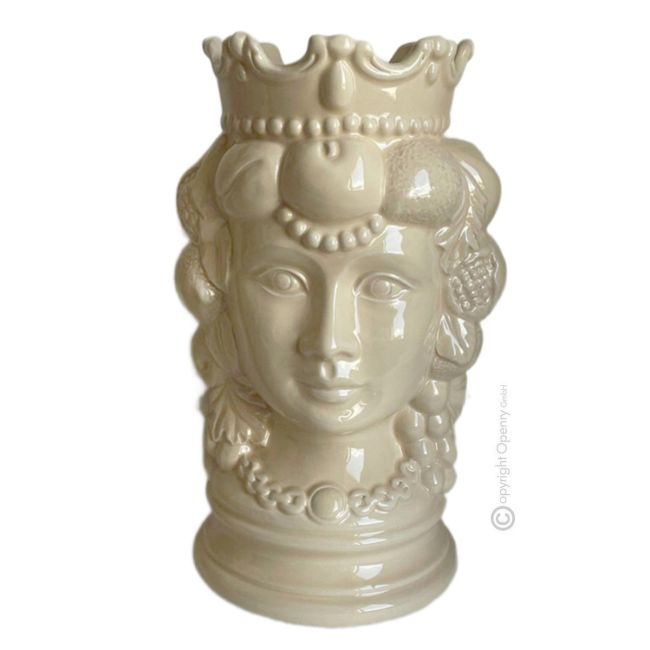

 Moor head ceramic - Tabletop décor - Regal crowned male figure
 Moor head ceramic - Accent décor - Crowned male fruit hair
Moor head ceramic - Accent décor - Female still life adorned
Made in Italy by:
CERAMICHE ORGIA
Material:
Ceramic
Color:
Beige
Material:
Ceramic
Color:
Beige
- Centuries of handmade ceramic craftsmanship
- Handcrafted, hand-painted art reflecting Sicilian tradition
- Typical distinctive Italian touch
- Stylish decorative touch for sophisticated taste
- A gift combining beauty, art, and tradition
- Measurements approx. 30cm
€151.00
Article:
S-CETA-ORGIA-4709-3
For thousands of years, clay, water, air, and fire have been the essence of ceramic art. At home, in the office, or in professional spaces, Orgia ceramics appear noble and decorative, between ornament and jewel. The Italian atelier of F.L. Orgia, led by the Orgia family since 1965, reflects long mastery of baroque-style ceramics. The word ‘ceramic’ comes from the Greek ‘Keramos’, meaning fired clay, essential to civilizations from the Maya to the Romans. An ideal present for family, dear companions, or professional partners — easily within reach online. The Orgia brothers guarantee every product originates exclusively from their Italian workshops, authentic Made in Italy. Sophisticated painting and gilding with shades of gold and platinum make the objects luxurious and distinguished. No two pieces are identical — each reflects tiny details guided by inspired craftsmen whose skill is uncommon. Pure excellence without concessions. Across aristocratic palaces and salons of Europe during the seventeenth and eighteenth centuries, such artifacts brought refinement.
SHIPPING FROM THE EUROPEAN UNION
30 DAYS MONEY BACK GUARANTEE
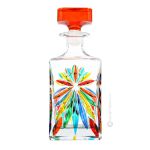
BOTTIGLIA OASIS Bottle crystal hand painted traditional technique colors Venice
was
€129.00
Special Price
€90.00
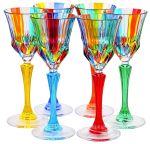
Stemmed liqueur glasses - Decor art - Fine painted crystal
was
€159.00
Special Price
€91.00
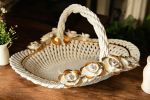
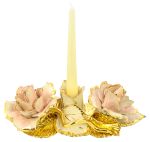
Candle stick holder - Living room décor - Double pink big roses
was
€165.00
Special Price
€87.00
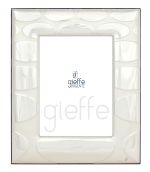
PAVIA Photo Frame Picture Frame Silver Made in Italy Handmade Photo 5X7 Inch
was
€139.00
Special Price
€77.00