We use cookies to make your experience better. To comply with the new e-Privacy directive, we need to ask for your consent to set the cookies. Learn more.

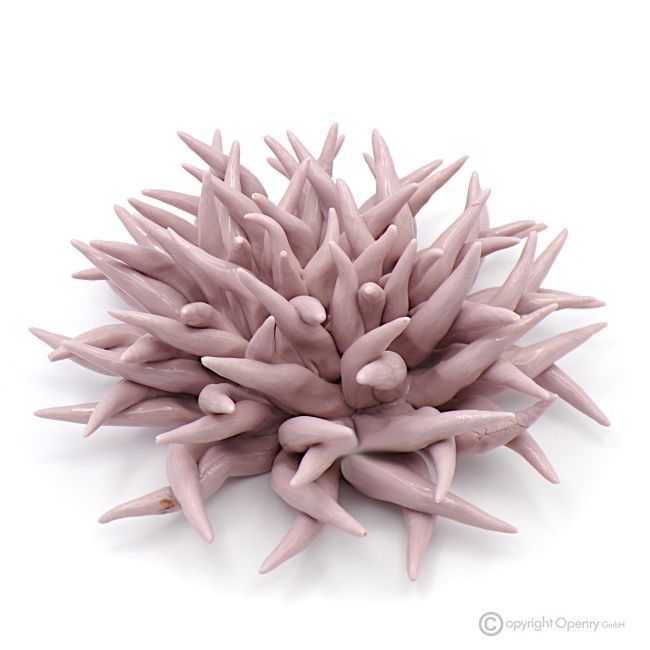

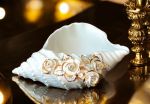
 RICCIO AVIO – Centerpiece table decoration, fine Capodimonte ceramic, handmade
 RICCIO TIFFANY – Centerpiece table decoration, fine Capodimonte ceramic
RICCIO GLICINE – Centerpiece table decoration, fine Capodimonte ceramic, handmade
Made in Italy by:
LUEM
Material:
Ceramic
Color:
Transparent
Material:
Ceramic
Color:
Transparent
- Table decoration of great artistic value
- Exclusive creations that respect the Capodimonte tradition
- Handcrafted works made by masters with years of experience
- Decorative detail, ideal for an elegant space
- Authentic certificate issued by the manufacturer Made in Italy
- Diameter 20cm – 7.9”
€170.00
Article:
S-CECP-LUEM-AC3
Works from this historic manufactory are treasured in cultural spaces such as Capodimonte and the Duca di Martina Museum. For over 30 years, LUEM has safeguarded and reimagined this noble craft with dedication. In Naples, where history and art intertwine, Capodimonte porcelain first came to life. A splendid keepsake for yourself, your family, friends or colleagues – only a click away. It was King Charles of Bourbon and his wife Maria Amalia who established the Royal Factory of Capodimonte. Discover the captivating artistry of Capodimonte porcelain with LUEM. Every piece is shaped by patient manual work that respects ancient techniques. LUEM offers products such as vases, wall pieces, table décor and aromatic diffusers. Fine details paired with bright colors bring porcelain objects to life. LUEM’s mission is to share the beauty and individuality of its porcelain with the world. Each creation tells a story, linking centuries‑old tradition with the present day. Join LUEM in exploring Capodimonte porcelain, where elegance takes fresh form. Radiant colors and exquisite detailing distinguish every LUEM piece. An art born of kings and queens, Capodimonte porcelain has enchanted generations since the 1700s.
SHIPPING FROM THE EUROPEAN UNION
30 DAYS MONEY BACK GUARANTEE

Stemmed liqueur glasses - Decor art - Fine painted crystal
was
€159.00
Special Price
€91.00
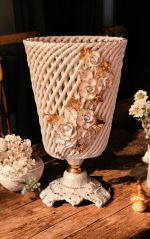
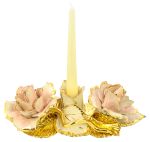
Candle stick holder - Living room décor - Double pink big roses
was
€165.00
Special Price
€87.00
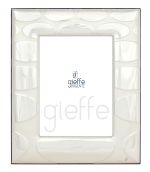
PAVIA Photo Frame Picture Frame Silver Made in Italy Handmade Photo 5X7 Inch
was
€139.00
Special Price
€77.00